Playing by the Rules: Which States Let You Gamble Online in 2024 and What That Actually Means for You
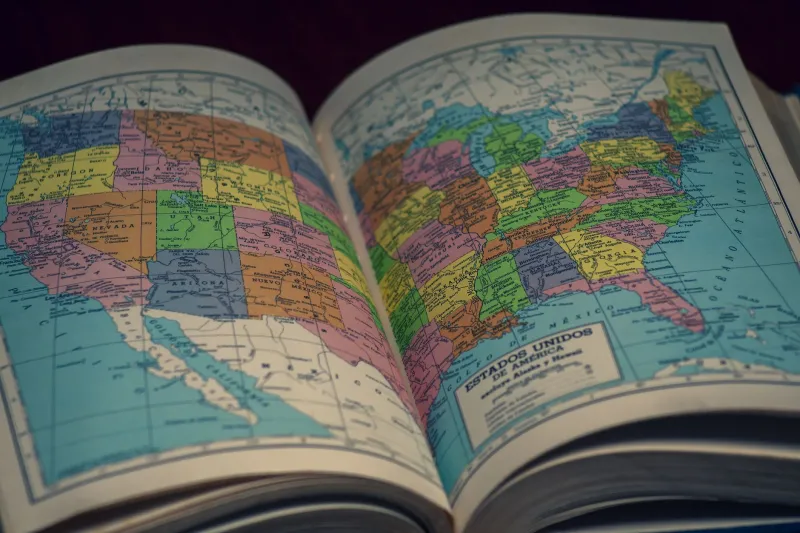
Ask ten Americans whether online casino gambling is legal and you'll probably get ten different answers — most of them wrong. The reality is messier, more interesting, and more consequential than most players realize. Whether you can legally spin a slot, play live blackjack, or claim a real-money bonus depends almost entirely on your zip code. And in 2024, that map is still very much being drawn.
Here's your no-fluff breakdown of where things stand, what's coming, and why it matters for your gaming life.
The States Where You're Fully Covered
As of 2024, a handful of states have passed legislation explicitly legalizing and regulating online casino gambling — meaning real-money slots, table games, and live dealer experiences operated by licensed platforms.
New Jersey remains the gold standard. It was one of the earliest states to legalize online casino play back in 2013, and its market is mature, competitive, and loaded with options. Players in the Garden State have access to dozens of licensed operators, generous welcome bonuses, and some of the most player-protective regulations in the country. The New Jersey Division of Gaming Enforcement keeps a tight leash on operators, which works in your favor.
Pennsylvania followed in 2019 and has grown into one of the largest regulated online casino markets in the country. PA players can access slots, table games, live dealers, and poker through platforms tied to major brick-and-mortar properties. The tax structure here is steep for operators, which occasionally means slightly less generous bonuses than NJ — but the game selection is excellent.
Michigan launched its regulated market in 2021 and has been expanding steadily. The state allows both tribal and commercial operators, which has created a competitive environment that benefits players through better promotions and game variety. Michigan also has one of the more progressive approaches to live dealer gaming.
Connecticut went live in 2021 as well, though its market is smaller and currently limited to two licensed operators — DraftKings and FanDuel — tied to the state's tribal gaming compacts. Selection is more limited than in NJ or PA, but it's fully legal and regulated.
West Virginia has legal online casinos on the books, with a handful of operators now active. The market is still developing, but the legal framework is solid and options are growing.
Delaware technically has legal online casino gambling, but the market is tiny — operated by the state lottery in partnership with three casinos. Don't expect a flashy user experience or aggressive bonus offers here.
Rhode Island became the newest addition to the regulated online casino club, launching real-money play in 2024. It's early days, but the state's framework is in place and operators are beginning to come online.
The Sports Betting–Only States
A much larger group of states have legalized online sports betting but stopped short of full casino games. This includes major markets like New York, Illinois, Colorado, Arizona, Virginia, and Tennessee, among others. If you're in one of these states, you can legally bet on the Super Bowl through a licensed app, but you can't legally access online slots or table games.
This distinction matters because some players assume that a legal sportsbook app means everything gambling-related is fair game. It isn't. The licensing and regulatory frameworks for sports betting and casino gaming are separate, and operating online casino games without a specific casino license is still illegal in these states.
What About Offshore and Sweepstakes Casinos?
This is where things get genuinely complicated. Hundreds of offshore casino sites accept US players in states where online casino gambling isn't regulated. These sites operate legally under the laws of their home jurisdiction — often Malta, Curaçao, or Gibraltar — but exist in a legal gray area for US players.
The federal government doesn't explicitly prohibit individual players from accessing these sites, but they're unregulated from a US consumer protection standpoint. If something goes wrong — a disputed withdrawal, a bonus that never clears — you have limited recourse.
Sweepstakes casinos are a different animal entirely. Platforms like Chumba Casino and Pulsz operate under a promotional sweepstakes model that is legal in most US states. You play with virtual coins rather than direct cash, but winnings can be redeemed for real prizes or cash equivalents. These are legal in roughly 45 states and offer a legitimate alternative for players in restricted markets — just with a different experience than a fully regulated real-money casino.
States Most Likely to Legalize Next
The legislative momentum is real, even if it moves slowly. Several states are worth watching:
New York has been debating online casino legalization for years. Given that it already has one of the country's largest sports betting markets and several major commercial casinos, the economic case for expansion is compelling. Analysts widely expect NY to eventually move forward — the question is timing.
Illinois has a robust brick-and-mortar casino industry and an established sports betting market. Legalization proposals have been introduced in the state legislature and the conversation is ongoing.
Indiana and Iowa both have mature land-based casino industries and legal sports betting. Both have been discussed as near-term candidates for online casino expansion.
Maryland launched sports betting and has active discussions around broader online gaming legislation.
Why the Patchwork Matters to You
Beyond the legal question, the regulatory environment in your state directly affects your gaming experience in practical ways:
Bonus quality: Regulated markets require operators to be competitive to earn and keep licenses. That competition drives better bonus offers and fairer terms. Offshore sites don't face the same accountability.
Game selection: Licensed operators in regulated states must submit every game for testing and approval. This process guarantees the fairness of the RNG (random number generator) behind every spin. Offshore sites may have this too — but there's no regulatory body verifying it.
Responsible gambling tools: States like New Jersey and Pennsylvania mandate specific self-exclusion programs, deposit limits, and problem gambling resources. These protections exist because regulators require them.
Tax reporting: Winnings from licensed US casinos are reportable income. Offshore winnings technically are too, but the reporting infrastructure is very different. Either way, consult a tax professional if you're winning meaningful money.
The Map Is Still Being Drawn
The US online casino landscape in 2024 is a work in progress. The states that have legalized are seeing real revenue, real competition, and real benefits for players. The states sitting on the sidelines are watching that revenue flow elsewhere. Eventually, the economic logic tends to win out — it's just a matter of when. Keep an eye on your state's legislature, because your options could expand sooner than you think.